Britain's First Black Ballerina Julie Felix: A Historic Restoration on The Repair Shop
In a world increasingly captivated by the stories objects tell, few moments resonate as deeply as the restoration of a personal heirloom on the beloved BBC series, The Repair Shop. These aren't just mere items; they are vessels of memory, embodying decades of struggle, triumph, and unspoken dreams. One such episode, featuring Britain's first black professional ballerina, Julie Felix, delivered a truly unforgettable and profoundly moving experience. Her appearance on the show, bringing in the iconic pointe shoes from her landmark Royal Opera House performance, captivated audiences and shone a spotlight on a pioneering career forged against significant odds. The story of The Repair Shop Julie Felix restoration is one of cultural significance, personal resilience, and the quiet power of preserving history.
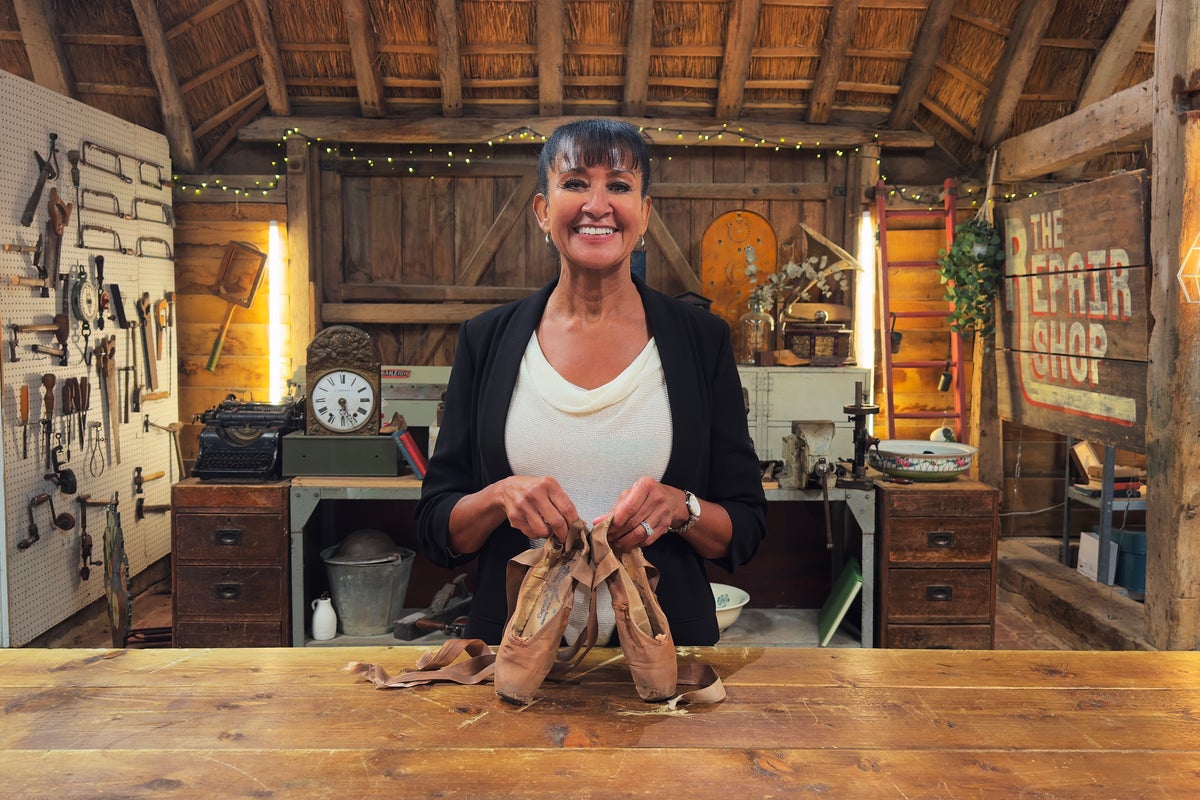
Julie Felix, now 67, arrived at the famous barn workshop with a pair of worn, tan-dyed ballet pointe shoes. These weren't just any shoes; they were the very pair she had meticulously coloured to match her skin tone for her first professional solo performance more than four decades ago. This pivotal moment saw her parents witness her grace the stage of one of the world's most prestigious venues. Over time, the satin had softened, the structure had frayed, and the wear and tear were evident. Yet, these shoes represented far more than just dance technique; they were a tangible symbol of a remarkable career built on unwavering determination in a ballet industry that, in the 1970s, was far from welcoming to black dancers.
A Legacy Woven in Satin: Julie Felix's Pioneering Journey
Born in London of Caribbean heritage, Julie Felix embarked on her dance journey during an era rife with racial prejudice. Despite her immense talent and dedication, her path was strewn with obstacles. She trained and performed in London but encountered explicit exclusion. A particularly painful memory she recounted was being rejected by a London ballet company directly because of her race. "We can’t have..." was the cutting phrase that underscored the systemic barriers she faced. This was a stark reality for aspiring black dancers in the 1970s, where traditional ballet aesthetics often upheld a narrow, exclusive vision.
However, Felix refused to let such devastating setbacks define her. Instead, she channeled her resilience into propelling her career forward, eventually moving to the United States. There, she found greater opportunities, building a successful career as a dancer that allowed her talent to flourish. Her journey eventually brought her back to the UK, where she dedicated herself to sharing her expertise and passion for dance with new generations. She taught at the prestigious Birmingham Royal Ballet and served as Head of Dance at St Martin's Girls' School in Solihull until her retirement.
Her lifelong commitment to opening doors for others in an art form that had once tried to close them on her did not go unnoticed. In 2024, Julie Felix's profound contributions to dance education and her pioneering role were formally recognised with an MBE (Member of the Order of the British Empire). This esteemed honour is a testament to a life dedicated not only to her own artistic excellence but also to fostering inclusivity and inspiration for countless students. Her story stands as a powerful beacon, reminding us that perseverance can indeed reshape the landscape of even the most traditional art forms. You can delve deeper into her remarkable life in Julie Felix's Journey: From Royal Opera House to MBE Recognition.
The Fragile Pointe Shoes: More Than Just Footwear
The pointe shoes Julie Felix brought to The Repair Shop were not merely an artefact of her past; they were a deeply personal relic, steeped in emotional significance. Their worn state spoke volumes – of countless hours of practice, the sheer physical exertion of ballet, and the enduring passion that fuelled her career. These shoes represented:
- A Symbol of Defiance: By specially dyeing them to match her skin tone, Julie made a quiet but profound statement in an industry where 'flesh-coloured' often meant a pale pink that excluded dancers of colour. It was an act of self-affirmation and a subtle challenge to the prevailing norms.
- A Link to Pivotal Moments: They were the shoes she wore for her first professional solo at the Royal Opera House, a moment of immense personal triumph witnessed by her proud parents. Her mother, in particular, was remembered as her staunchest supporter throughout her challenging career.
- Embodiment of Resilience: Each fray, each softened patch, told a story of enduring prejudice, overcoming setbacks, and the quiet determination to succeed despite the odds. They represented a career forged through sheer will and talent.
- A Reservoir of Emotion: For Julie, these shoes were a tangible connection to her youth, her dreams, and the bittersweet memories of her journey. They held the essence of a dream realised against incredible adversity.
The decision to bring these precious items to The Repair Shop stemmed from a desire to preserve this unique piece of her history, to breathe new life into an object that held such profound personal and cultural weight. It was an opportunity not just to mend fabric, but to mend a piece of her heart, allowing her, in her own words, to "live my dreams all over again." For a deeper dive into the emotional journey, read Julie Felix: The Repair Shop's Emotional Restoration of a Ballerina's Dream.
The Magic of Restoration: How The Repair Shop Brought History to Life
The delicate task of restoring Julie's pointe shoes fell to The Repair Shop's resident experts. Lucia Scalisi, known for her meticulous work on delicate textiles and art, alongside Dean Westmoreland, whose expertise often involves structural and intricate items, approached the shoes with immense respect and care. They understood that this was not merely a repair job but an act of preserving a historical artefact and its accompanying emotional narrative.
The challenge was significant. Pointe shoes are designed for rigorous, albeit temporary, use and are not built for longevity, especially after decades. The satin was fragile, the internal structure softened, and the shoes had lost much of their original form. The experts' meticulous work involved a blend of:
- Careful Cleaning: Removing decades of grime and discolouration without damaging the delicate satin.
- Structural Reinforcement: Gently rebuilding the inner support, known as the 'box' and 'shank', to restore shape and integrity without altering the shoe's original character or feel. This is crucial for a pointe shoe.
- Preservation Techniques: Ensuring the materials were stabilised to prevent further deterioration, allowing the shoes to be cherished for many more years.
When Julie Felix returned to The Repair Shop to see the restored shoes, her reaction was immediate and overwhelmingly powerful. The sight of her pointe shoes, brought back to a semblance of their former glory, rendered her "breathless" and feeling "kicked in the stomach" by the emotional impact. Tears flowed freely as memories of that Royal Opera House night, and of her parents' presence, came flooding back. "These were the shoes that I wore when mum and dad came to see me perform," she tearfully shared, her voice thick with emotion. The expert craftsmanship of the The Repair Shop Julie Felix episode wasn't just about mending; it was about rekindling a profound connection to a pivotal past.
The Enduring Impact: Why Julie Felix's Story Resonates
Julie Felix's appearance on The Repair Shop resonated deeply with viewers, transcending the usual appreciation for technical craftsmanship. Her story underscored several powerful themes:
- Perseverance Against Adversity: Her journey is a testament to the strength of the human spirit in overcoming systemic barriers and personal setbacks.
- Cultural Representation in Ballet: It highlighted the historical lack of diversity in ballet and the slow but meaningful progress being made. Julie's act of dyeing her shoes speaks volumes about the need for inclusivity and representation, an issue that continues to be relevant today.
- The Power of Personal Heirlooms: The episode beautifully illustrated how objects, imbued with personal history and emotion, can connect us to our past, our loved ones, and our enduring dreams.
For aspiring dancers, especially those from underrepresented backgrounds, Julie Felix's story is a profound source of inspiration. It teaches the importance of resilience, of seeking out environments that celebrate rather than diminish one's identity, and of embracing one's unique path in the arts. As an educator and mentor, Julie has consistently opened doors, embodying the change she wished to see in the world of dance.
For anyone with cherished items holding deep personal meaning, the episode also offers a practical insight: the invaluable role of professional restoration. Attempting DIY repairs on items with significant historical or emotional value can often cause irreversible damage. Professionals like those at The Repair Shop possess the nuanced skills and knowledge to honour both the physical item and its immense emotional weight, ensuring these precious links to our past can be preserved for future generations.
Conclusion
The story of Britain's first black professional ballerina, Julie Felix, and the restoration of her iconic pointe shoes on The Repair Shop is a poignant blend of personal triumph, historical significance, and the enduring magic of expert craftsmanship. It’s a narrative that goes beyond the stitches and satin, touching upon themes of racial injustice, unwavering determination, and the profound power of memory. Through the meticulous work of the experts, Julie was able to revisit a pivotal moment in her career, reliving the pride and emotion of her Royal Opera House debut. Her story continues to inspire, reminding us of the courage it takes to break barriers and the lasting legacy of those who pave the way for others. The The Repair Shop Julie Felix episode stands as a beautiful testament to one woman's pioneering spirit and the timeless value of preserving the artefacts that tell our most compelling stories.